
Community-Centered Creative Projects: A Journey of Inclusion
- Heath Birkholz
- Apr 5
- 4 min read

In a world that often feels divided, community-centered creative projects offer a beacon of hope and connection. These initiatives not only foster creativity but also promote inclusion, allowing diverse voices to be heard and valued. This blog post explores the significance of community-centered creative projects, their impact on social cohesion, and how they can be implemented effectively.
Understanding Community-Centered Creative Projects
Community-centered creative projects are initiatives that engage local populations in the creation of art, culture, or other creative expressions. These projects prioritize the involvement of community members, ensuring that their perspectives and experiences shape the outcomes.
The Importance of Inclusion
Inclusion is at the heart of these projects. By involving individuals from various backgrounds, community-centered initiatives can:
Reflect Diverse Perspectives: Different voices contribute to a richer narrative.
Foster Collaboration: Working together builds relationships and trust among community members.
Empower Individuals: Participants gain confidence and a sense of ownership over their contributions.
Examples of Successful Projects
Several community-centered creative projects have made significant impacts in their respective areas. Here are a few notable examples:
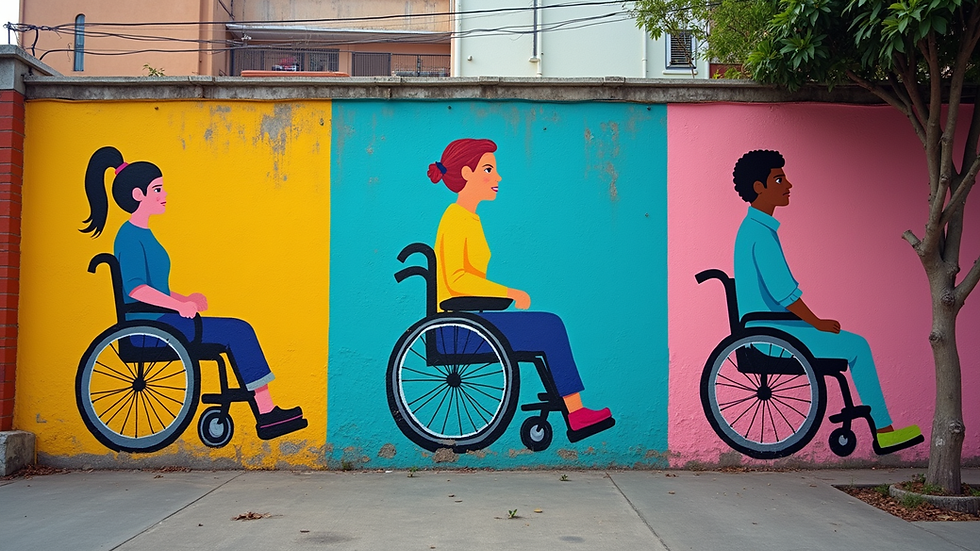
The Mural Project in San Francisco: This initiative brought together local artists and residents to create murals that reflect the community's history and culture. The project not only beautified the neighborhood but also sparked conversations about identity and belonging.
The Storytelling Festival in New Orleans: This annual event invites community members to share their stories through various mediums, including spoken word, theater, and visual arts. The festival celebrates the unique narratives of the city while fostering connections among participants.
The Community Garden in Detroit: This project transformed vacant lots into vibrant gardens, allowing residents to grow their own food and learn about sustainable practices. The garden serves as a gathering space for workshops and events, promoting community engagement.
The Process of Creating Community-Centered Projects
Creating a successful community-centered project involves several key steps:
1. Identify Community Needs
Understanding the specific needs and interests of the community is crucial. Conduct surveys, hold focus groups, or organize community meetings to gather input. This ensures that the project resonates with participants and addresses relevant issues.
2. Build Partnerships
Collaborating with local organizations, schools, and businesses can enhance the project's reach and resources. Partnerships can provide funding, expertise, and additional support, making the project more sustainable.
3. Foster Participation
Encouraging community involvement is essential for the project's success. Use various outreach methods, such as social media, flyers, and word-of-mouth, to engage potential participants. Create an inclusive environment where everyone feels welcome to contribute.
4. Implement the Project
Once the groundwork is laid, it's time to bring the project to life. Ensure that the implementation process is flexible and adaptable to the community's needs. Regularly check in with participants to gather feedback and make necessary adjustments.
5. Celebrate and Reflect
After the project is completed, take time to celebrate the achievements. Host an event to showcase the work created and recognize the contributions of all participants. Additionally, reflect on the project's impact and gather insights for future initiatives.

Challenges and Solutions
While community-centered creative projects can be incredibly rewarding, they also come with challenges. Here are some common obstacles and potential solutions:
Challenge: Limited Resources
Many communities face financial constraints that can hinder project development.
Solution: Seek grants, sponsorships, or crowdfunding opportunities. Collaborating with local businesses can also provide in-kind support, such as materials or venues.
Challenge: Diverse Opinions
With diverse voices come diverse opinions, which can lead to conflicts.
Solution: Establish clear communication channels and create a safe space for dialogue. Encourage respectful discussions and find common ground to move forward.
Challenge: Sustaining Engagement
Maintaining participant interest over time can be difficult.
Solution: Offer ongoing opportunities for involvement, such as workshops, events, or follow-up projects. Regularly update the community on progress and celebrate milestones to keep enthusiasm alive.
The Role of Technology in Community-Centered Projects
Technology can play a significant role in enhancing community-centered creative projects. Here are a few ways to leverage technology effectively:
1. Online Platforms for Collaboration
Utilize online tools and platforms to facilitate collaboration among participants. Websites like Google Docs or Trello can help organize ideas and tasks, making it easier for everyone to contribute.
2. Virtual Workshops
Incorporate virtual workshops to reach a wider audience. This approach allows individuals who may not be able to attend in-person events to participate and share their insights.
3. Social Media for Promotion
Use social media to promote the project and engage the community. Share updates, highlight participant contributions, and encourage discussions to build excitement.
Measuring Impact
To understand the effectiveness of community-centered creative projects, it's essential to measure their impact. Here are some methods to consider:
1. Surveys and Feedback
Collect feedback from participants through surveys or interviews. This information can provide valuable insights into their experiences and the project's overall success.
2. Community Engagement Metrics
Track participation rates, attendance at events, and social media engagement to gauge community interest and involvement.
3. Long-term Outcomes
Assess the long-term effects of the project on the community. This could include changes in social cohesion, increased collaboration among residents, or enhanced cultural appreciation.
Conclusion
Community-centered creative projects are powerful tools for fostering inclusion and connection. By prioritizing the voices of diverse individuals, these initiatives can create lasting impacts on communities. As we continue to navigate a complex world, embracing creativity and collaboration can lead to a brighter, more inclusive future.
Take the first step today by exploring opportunities in your community. Whether it's starting a mural project, organizing a storytelling event, or creating a community garden, your efforts can make a difference. Let's build a world where everyone feels valued and included through the power of creativity.

Comments