
Exploring Disability Culture Through Art and Narrative
- Heath Birkholz
- Apr 5
- 4 min read

Art has always been a powerful medium for expression, but when it comes to disability culture, it becomes a vital tool for storytelling and advocacy. Through various forms of art, individuals with disabilities can share their experiences, challenge societal perceptions, and foster a deeper understanding of their realities. This blog post delves into the intersection of disability culture, art, and narrative, exploring how these elements come together to create a rich tapestry of voices and perspectives.
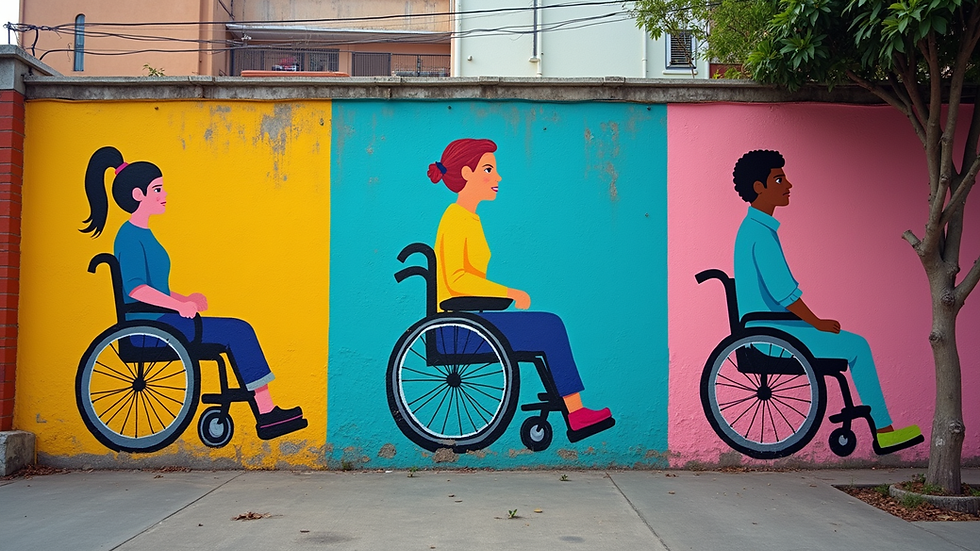
Understanding Disability Culture
Disability culture encompasses the shared experiences, values, and artistic expressions of individuals with disabilities. It is a culture that celebrates diversity and challenges the stigma often associated with disabilities. Key aspects of disability culture include:
Shared Experiences: Individuals with disabilities often face similar challenges, leading to a sense of community and shared identity.
Advocacy and Activism: Art serves as a platform for advocacy, allowing individuals to express their rights and push for societal change.
Representation: Disability culture seeks to ensure that the voices of individuals with disabilities are heard and represented in all aspects of society.
The Role of Art in Disability Culture
Art plays a crucial role in shaping and expressing disability culture. It provides a means for individuals to communicate their experiences and emotions in ways that words alone may not capture. Various art forms contribute to this narrative, including:
Visual Arts: Paintings, sculptures, and installations can convey complex emotions and experiences related to disability.
Performing Arts: Dance, theater, and music allow for dynamic storytelling, often incorporating movement and sound to express the nuances of living with a disability.
Literature: Poetry, essays, and fiction written by individuals with disabilities offer profound insights into their lives and challenges.
Personal Narratives: The Heart of Disability Art
Personal narratives are at the core of disability art. They provide a window into the lived experiences of individuals, allowing audiences to connect on a deeper level. Here are some notable examples:
1. The Work of Judith Scott
Judith Scott, an artist with Down syndrome and deafness, created intricate fiber sculptures that reflect her inner world. Her work challenges perceptions of disability and showcases the beauty of creativity that can emerge from unique perspectives. Scott's art invites viewers to reconsider their understanding of ability and creativity.
2. The Poetry of Mary Oliver
Mary Oliver, while not a person with a disability herself, often wrote about themes of nature and the human experience that resonate with many in the disability community. Her poem "Wild Geese" emphasizes the importance of belonging and acceptance, themes that are central to disability culture.
3. The Films of Aimee Mullins
Aimee Mullins, a Paralympic athlete and actress, uses her platform to challenge stereotypes about disability. Her films often explore themes of resilience and strength, showcasing the diverse experiences of individuals with disabilities. Through her storytelling, Mullins advocates for a broader understanding of what it means to live with a disability.
Art as a Tool for Advocacy
Art is not just a form of expression; it is also a powerful tool for advocacy. Artists with disabilities often use their work to raise awareness about issues affecting their community. Here are some ways art serves as a vehicle for change:
1. Challenging Stereotypes
Art can challenge societal stereotypes about disability. By presenting authentic narratives, artists can dismantle misconceptions and promote a more nuanced understanding of disability.
2. Raising Awareness
Art exhibitions and performances can draw attention to important issues, such as accessibility, representation, and inclusion. These events often serve as platforms for discussions about disability rights and advocacy.
3. Building Community
Art fosters a sense of community among individuals with disabilities. Collaborative projects and group exhibitions create spaces for connection and support, allowing artists to share their experiences and learn from one another.
The Impact of Technology on Disability Art
Advancements in technology have opened new avenues for artists with disabilities. Digital art, virtual reality, and social media platforms allow for greater accessibility and reach. Here are some ways technology is transforming disability art:
1. Digital Platforms
Online galleries and social media provide artists with a platform to showcase their work to a global audience. This increased visibility can lead to greater recognition and opportunities for collaboration.
2. Assistive Technologies
Assistive technologies enable artists with disabilities to create and share their work in innovative ways. Tools such as adaptive software and specialized equipment can enhance the creative process and expand artistic possibilities.
3. Virtual Reality Experiences
Virtual reality (VR) offers immersive experiences that can convey the realities of living with a disability. Artists can create VR installations that allow audiences to experience their perspectives firsthand, fostering empathy and understanding.
Conclusion: The Future of Disability Culture in Art
As we continue to explore the intersection of disability culture, art, and narrative, it is essential to recognize the power of these expressions. They not only provide insight into the lives of individuals with disabilities but also challenge societal norms and advocate for change. By supporting and amplifying the voices of artists within the disability community, we can foster a more inclusive and understanding society.
Art has the potential to transform perceptions and create connections. As we engage with these narratives, let us celebrate the richness of disability culture and the diverse stories that emerge from it. Whether through visual arts, literature, or performance, the voices of individuals with disabilities deserve to be heard and valued.


Comments